Walking into a room filled with roses can feel like stepping into a living painting.
Their vibrant hues, delicate petals, and often their fragrance instantly draw the eye and elevate the atmosphere.
Whether it's a simple table arrangement or an elaborate wedding centerpiece, roses have a way of transforming ordinary spaces into memorable experiences. The art of incorporating roses into floral design lies not only in selecting the right blooms but also in understanding color relationships, textures, and spatial balance. As the Society of American Florists notes, “An artful floral arrangement has the ability to convey a feeling or create a mood without using words, just color.”
When thoughtfully arranged, roses can highlight architectural details, complement seasonal décor, and convey emotions ranging from romance to celebration. Exploring the creative possibilities allows florists and enthusiasts alike to craft arrangements that are visually compelling, emotionally resonant, and harmoniously integrated with their surroundings.
Choosing Colors and Varieties
1. Harmonizing hues
Selecting rose colors that complement each other is key. For a soft, romantic effect, pair blush pinks with creamy whites and subtle peach tones. Bold reds and vibrant oranges create dynamic, attention-grabbing displays, while combining pastel shades adds a gentle, layered depth. Consider the overall color palette of the room or event when choosing blooms to ensure visual cohesion.
2. Mixing varieties
Different rose types offer varying shapes, sizes, and petal textures. Garden roses with ruffled petals evoke classic elegance, while standard roses provide structure and height. Combining varieties within a single arrangement adds dimension and keeps the eye engaged.
3. Seasonal selection
Incorporating roses that suit the season can help an arrangement feel more natural and timely. Seasonal choices can also influence the arrangement’s mood—for instance, deep red or burgundy roses in autumn create warmth, while soft pinks and whites in spring suggest a fresher, lighter look.
Incorporating Texture and Contrast
1. Adding greenery
Foliage such as eucalyptus, ferns, or ruscus provides a natural backdrop, enhances the roses' color, and adds structural interest. The interplay of smooth petals with textured leaves creates a layered and tactile experience.
2. Complementary blooms
Pairing roses with flowers like hydrangeas, ranunculus, or lisianthus introduces variety in shape and size, preventing monotony. Smaller filler flowers, such as waxflower or baby's breath, offer delicate accents that balance larger blooms.
3. Varying heights
Arranging roses at different heights adds depth and creates a natural flow. Taller stems can serve as focal points, while lower blooms soften edges and enhance fullness. This approach is particularly effective in centerpieces or large-scale installations.
Designing for Space and Occasion
1. Table arrangements
For dining or coffee tables, keep arrangements low and compact to maintain visibility across the table. A mix of short-stemmed roses and greenery ensures an elegant yet unobtrusive display.
2. Event décor
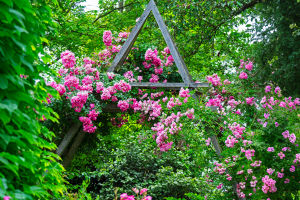
In weddings or celebrations, roses can be incorporated into arches, garlands, or suspended installations. Strategic placement highlights key areas, such as entrances, altars, or buffet tables, making the roses a focal point of the event.
3. Home accents
Roses can also enrich everyday living spaces. A single stem in a slender vase creates a minimalist statement, while clustered arrangements on mantels or shelves introduce warmth and luxury. Matching the container style to the room's design reinforces the overall aesthetic.
Roses are more than just flowers; they are a medium for creativity and expression. By thoughtfully selecting colors, textures, and arrangements, one can craft displays that resonate with both the eye and the heart. Each bouquet or centerpiece becomes a conversation piece, a visual story, and a reflection of care and attention to detail.
Exploring floral design with roses encourages experimentation and personal expression. Whether used for special events or daily enjoyment, the combination of variety, texture, and spatial awareness transforms ordinary blooms into memorable experiences. The artistry lies in balancing creativity with the natural beauty of the rose, turning every arrangement into a living work of art.