You forget to water a plant for weeks, expecting the worst. Instead, it looks exactly the same—firm, calm, and unbothered.
Succulents have a reputation for being hard to ruin, but that toughness isn't accidental.
Every part of their structure is designed to handle long dry spells with minimal stress.
Water stored where it matters most
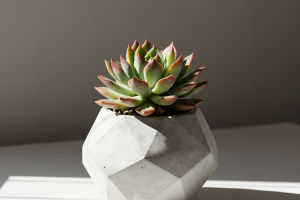
Succulents survive dryness by storing water inside their leaves, stems, or both. These tissues act like built-in reservoirs.
1. Thick leaves hold water for gradual use over time.
2. Swollen stems serve as backup storage during extended dry periods.
3. Elastic cells expand when water is available and shrink safely when it's not.
A practical way to support this system is deep but infrequent watering. When you water, soak the soil fully, then wait until it dries out completely before watering again. This mirrors how succulents experience rain in nature.
Leaf surfaces that slow water loss
Succulent leaves aren't just thick—they're protected. Their outer surfaces reduce evaporation dramatically.
1. Waxy coating seals moisture inside the leaf.
2. Smooth texture limits air movement across the surface.
3. Compact shape reduces exposed area.
You can help by keeping succulents away from constant airflow like fans or air vents. Even dry air movement speeds up moisture loss, undoing their natural defenses.
Stomata that open on their own schedule
Most plants open tiny pores during the day to exchange gases. Succulents often do the opposite.
1. Night opening reduces daytime moisture loss.
2. Daytime closure protects stored water under heat.
3. Slow gas exchange matches their low growth pace.
An actionable tip is lighting control. Give succulents bright light during the day, but avoid sudden heat spikes. Stable conditions help their internal timing stay consistent.
Roots built for quick water capture
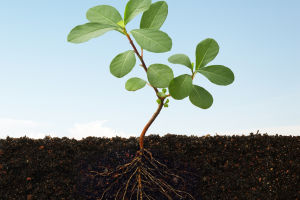
Succulent roots don't dig deep right away. Instead, they spread wide and shallow.
1. Fast absorption captures water quickly after rain or watering.
2. Shallow spread matches surface moisture patterns.
3. Rapid response allows roots to activate only when needed.
Use a wide container rather than a deep one. This matches root behavior and prevents excess moisture from lingering below, which can cause problems.
Slow growth as a survival advantage
Succulents grow at a measured pace. This isn't weakness—it's efficiency.
1. Lower water demand reduces daily stress.
2. Minimal new growth conserves stored resources.
3. Long-lasting leaves work for months or even years.
Resist the urge to stimulate growth with frequent feeding. Light feeding once or twice a year is enough. Too much encouragement pushes growth faster than the plant can support.
Colors that protect from harsh light
Many succulents change color under stress, shifting from green to red, purple, or blue tones.
1. Pigment buildup filters intense sunlight.
2. Surface color change reduces internal heat.
3. Stress signaling helps the plant regulate energy use.
If you notice deeper colors, it's often a sign of healthy adjustment, not damage. Just ensure the plant isn't becoming shriveled, which would indicate dehydration.
What dry survival teaches plant owners
Succulents succeed by doing less, not more. Their survival strategy is restraint.
1. Less water keeps roots healthy.
2. More light supports efficient energy use.
3. Extra patience matches their natural rhythm.
A simple habit is to wait one extra day before watering. That pause often makes the difference between healthy storage and stress.
Succulents don't fight dry conditions—they expect them. Their calm, steady presence comes from systems built to last through scarcity. When you care for them the same way they care for themselves—slowly and thoughtfully—you stop worrying about survival and start enjoying how quietly capable they really are.