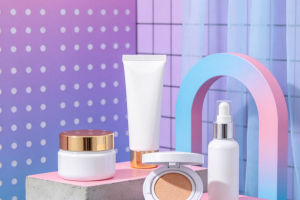
Every year, millions of consumers invest in cosmetics, from luxury foundations to high-end skincare. The question arises: are these products genuinely worth their price, or are they simply a clever marketing strategy targeting emotions and social perception?
While some argue that expensive cosmetics are a “smart tax” on appearance, a closer look reveals a complex mix of science, branding, and psychology that determines their value.
The Science Behind Cosmetics
Many cosmetics are formulated with advanced ingredients designed to improve skin texture, enhance tone, or provide long-lasting wear. Scientific research often underpins claims of hydration, anti-aging, or UV protection. However, the difference between mid-range and luxury products is not always in ingredient efficacy. Sometimes, formulation is similar, but luxury brands invest heavily in testing, packaging, and marketing, which inflates the cost without dramatically improving results.
The Power of Branding
Brand perception plays a critical role in pricing. A high-end brand creates an aura of prestige, exclusivity, and lifestyle appeal. Consumers often associate luxury cosmetics with higher quality and social status. Packaging, store experience, and celebrity endorsements all contribute to this perception. In many cases, paying extra is as much about purchasing an experience and identity as it is about the product itself.
Consumer Psychology and Marketing
Cosmetics companies masterfully leverage psychological triggers to influence buying behavior. Limited editions, seasonal collections, and visually appealing displays encourage impulse purchases. Marketing campaigns highlight transformation stories, promising confidence and sophistication with just a few products. While the actual ingredients may not differ significantly from affordable alternatives, the emotional value makes consumers willing to pay a premium.
Cost vs. Benefit Analysis
Determining whether cosmetics are worth their price depends on perspective:
1. Functional value: Some products offer genuine benefits like SPF protection, long-lasting color, or high-quality pigments
2. Emotional value: Satisfaction, confidence, and social perception can justify higher spending
3. Comparative value: Affordable alternatives often deliver similar functional performance without luxury branding
Being aware of these distinctions helps consumers make informed choices and avoid overspending on perceived superiority.
How to Shop Smart
Being mindful when purchasing cosmetics can maximize benefits without falling into the “smart tax” trap:
1. Research ingredients and product performance before buying
2. Compare mid-range and luxury options to identify genuine differences
3. Focus on products that deliver measurable results rather than status
4. Take advantage of samples, trial sizes, and promotions
Educating oneself about both functional and emotional aspects of cosmetics encourages balanced spending decisions.
Reflection on Value and Choice
Cosmetics are not inherently a “smart tax,” but the perception of value can be heavily influenced by marketing and branding. Some high-end products do offer superior ingredients, craftsmanship, and experience, while others rely more on social signaling than substantive quality. Recognizing the difference allows consumers to enjoy cosmetics meaningfully—appreciating their aesthetic and emotional benefits—without blindly overpaying. Ultimately, smart choices transform shopping from a passive indulgence into a conscious and satisfying experience.