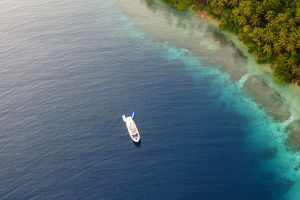
Walking along a shoreline, it's easy to be captivated by the rhythmic waves and the glint of sunlight on water.
Yet beneath that serene surface, human activity is quietly rewriting the story of marine life.
From the tiniest plankton to the largest whales, oceans are feeling the impact of our choices—sometimes subtle, sometimes catastrophic. Understanding these effects is the first step toward protecting the underwater world we often take for granted.
Pollution and Its Ripple Effects
Plastic accumulation
Chemical runoff from land
Oil spills and contamination
- Everyday plastics—from bottles to packaging—often end up in rivers and oceans, breaking into microplastics that infiltrate the food chain, affecting fish, seabirds, and even humans.
- Chemicals from agriculture and industry, like fertilizers and heavy metals, can create dead zones where oxygen levels are too low to support marine life.
- Oil spills coat marine habitats, poisoning wildlife and disrupting entire ecosystems for years.
Actionable example: Reduce single-use plastics by opting for reusable bottles, bags, and containers, and properly dispose of household chemicals to prevent runoff.
Overfishing and Species Decline
Unsustainable fishing practices
Bycatch affecting non-target species
Depleted populations and altered ecosystems
- Industrial fishing methods often capture more than the intended species, including dolphins, turtles, and seabirds, which can destabilize food webs.
- Overfishing reduces fish populations faster than they can naturally recover, threatening species with extinction and impacting local economies reliant on seafood.
- Changes in population dynamics can ripple through the ecosystem, causing shifts in predator-prey relationships and habitat balance.
Actionable example: Choose sustainably sourced seafood certified by reputable organizations, and support policies that regulate overfishing.
Climate Change and Oceanic Stress
Rising sea temperatures
Coral bleaching events
Shifts in species distribution
- Warmer oceans disrupt reproductive cycles and migration patterns, forcing marine species to move to cooler areas, which can create competition and imbalance.
- Coral reefs, vital to countless marine organisms, bleach and die under thermal stress, eliminating critical shelter and breeding grounds.
- Altered ocean currents and temperatures impact plankton populations, the foundation of the marine food web, affecting species far beyond the immediate area.
Actionable example: Support and engage in local conservation efforts like reef restoration or mangrove planting, which help buffer ecosystems against temperature extremes.
Habitat Destruction and Coastal Development
Wetland draining and mangrove loss
Seafloor trawling
Urban expansion along coastlines
- Construction along coasts often destroys breeding grounds for fish, turtles, and seabirds, leaving young marine life vulnerable.
- Seafloor trawling scrapes habitats bare, destroying delicate coral and sponge structures that took decades to form.
- Altering natural coastlines reduces water quality and disrupts the delicate balance of estuaries, where freshwater meets the sea.
Actionable example: Advocate for protected marine areas and support responsible tourism that prioritizes habitat preservation.
Human Awareness and Conservation Efforts
Marine protected areas
Community engagement
Policy advocacy
- Designating zones where human activity is limited helps marine populations recover and ecosystems stabilize.
- Public awareness campaigns and citizen science programs allow people to participate directly in monitoring and protecting marine life.
- Supporting policies that regulate emissions, waste, and fishing practices ensures long-term sustainability for oceans.
Actionable example: Join local beach cleanups, contribute to citizen science monitoring, or support legislation that protects marine ecosystems.
Every action we take on land echoes beneath the waves. From the plastics we discard to the seafood we consume, human behavior shapes the fate of marine life. By becoming informed, making conscious choices, and advocating for responsible practices, we can help ensure that oceans remain vibrant, resilient, and full of life for generations to come.