There's something almost magnetic about a well-done reading nook. It pulls you in, makes you want to sit down, and somehow signals that it's okay to slow down for a while.
The good news is it doesn't take a dedicated room or even much space to get there.
A quiet corner, the right chair, and a few deliberate choices about light and texture can turn a forgotten slice of your home into the spot you actually look forward to at the end of the day.
Pick the Right Spot — and Mentally Claim It
The location matters more than most people think, and it's not just about square footage. Interior designers consistently point to tucked-away spots — a corner of a living room, an alcove in a bedroom, the area under a staircase — as working better than open, central spaces.
Part of what makes a reading nook feel like a nook rather than just a chair in the room is the sense of being slightly apart from everything else.
If your space is open-plan, a bookshelf or a room divider can create a visual boundary. Even a small rug placed under the chair is enough to define the zone and signal: this is a different kind of space. Near a window is ideal if you have the option — natural daylight is genuinely the easiest light to read in, and a view outside gives your eyes somewhere to rest when you look up from the page.
Seating Is Non-Negotiable — Make It Actually Comfortable
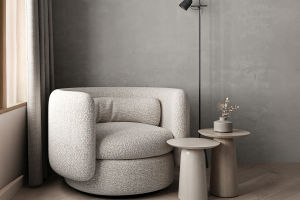
This isn't the place to compromise. A chair that looks great in a photo but puts your back out after twenty minutes defeats the whole point. An armchair with good back support and wide enough arms to rest a book on works for most people.
If you tend to curl up sideways, look for something with a deeper seat. A chaise longue or a window bench piled with cushions are both perfectly valid alternatives. The key is that you should be able to stay in it for an hour without shifting uncomfortably every ten minutes. Add a small footrest or footstool if you don't already have somewhere to stretch your legs out — this small addition makes a reading session dramatically more relaxing.
Lighting: The One Thing That Can't Be an Afterthought
Poor lighting in a reading nook is a genuine problem — not just uncomfortable but hard on your eyes after a while. Relying solely on overhead lighting is a mistake; it tends to create shadows exactly where you're trying to read.
The ideal setup is a dedicated reading light positioned to illuminate the page directly without creating glare. A floor lamp placed just behind and to one side of the chair works beautifully and looks good too. Wall-mounted adjustable reading lights free up floor space if the nook is small.
A dimmer switch, either on the lamp itself or on the wall, lets you shift from bright and focused during the day to softer and warmer for evening reading — the difference in ambiance is significant.
Layering Cushions and Texture Is What Makes It Feel Inviting
The styling part is what separates a comfortable chair from a place that genuinely draws you in. Start with the chair fabric as your base — something soft to the touch, like linen or velvet, adds to the tactile experience before you even sit down.
Then layer in cushions of different sizes and fabrics: a couple of structural back pillows, a squashy one for hugging, and maybe one in a contrasting texture like boucle or knitted cotton. A throw blanket folded casually over the arm of the chair is both practical and visually warm. The goal isn't to pile on as many cushions as possible — it's to create something that looks settled and lived-in rather than staged.
A Side Table and Small Finishing Details
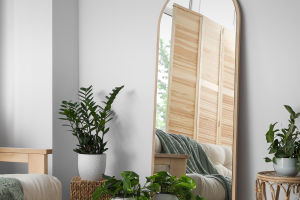
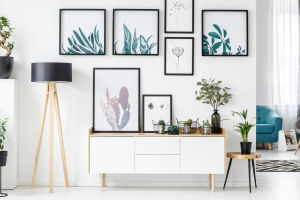
Every reading nook needs somewhere to put a drink. A small side table, a wooden stool, or even a stacked set of books with a tray on top all work depending on the vibe you're going for. A small plant nearby adds life and a connection to something natural, which genuinely contributes to the calming atmosphere.
A candle or diffuser on the side table isn't strictly necessary, but scent has a surprisingly strong effect on how a space feels — and having something that smells good makes settling in that bit more appealing. Keep a small stack of current reads visible rather than hidden — it's both decorative and a quiet reminder of what the space is for.