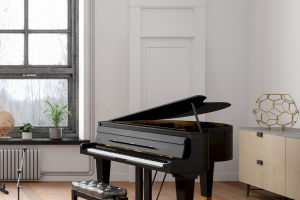
Do you enjoy sitting at the piano and hearing each note fill the room? Regular care helps preserve your instrument's appearance, maintain its playing quality, and keep it ready for every musical moment.
With a few simple habits, you can protect its finish, keep the keys clean, and create a suitable environment for long-term care.
Clean the Piano Keys
The keys collect fingerprints and dust through regular use. Gently remove loose particles with a soft, clean cloth, paying attention to the spaces between the keys.
For more thorough cleaning, follow the instrument's care instructions. If permitted, use a soft, white cloth that is barely dampened with water. Wring it out thoroughly, wipe the keys gently along their length, and dry them immediately with another clean cloth.
Avoid abrasive materials, strong cleaning products, and excessive moisture. Never spray liquid directly onto the keyboard or allow water to enter the gaps, as moisture can affect the internal components.
Preserve the Outer Finish
A piano's case contributes to its elegant appearance and deserves careful attention. Begin by removing loose dust with a soft duster before wiping the surface.
Use a clean cloth appropriate for the instrument's finish, applying gentle pressure to avoid unnecessary friction. For persistent fingerprints, select a cleaning product specifically approved for that finish and apply it to the cloth rather than directly to the piano.
Metal fittings may require different care from the surrounding surfaces. Follow the relevant cleaning instructions to maintain their appearance without affecting nearby materials.
Maintain the Internal Mechanism
A piano contains delicate components that work together to create its distinctive sound. The strings, hammers, and action mechanism require specialized handling, making internal cleaning a task best suited to a qualified piano technician.
Avoid inserting cleaning tools or household vacuum attachments into the instrument. If a key feels unusual, the sound changes unexpectedly, or internal maintenance is needed, arrange a professional inspection.
Regular tuning and appropriate servicing help maintain consistent sound quality and a comfortable playing experience.
Create a Suitable Environment
Room conditions play an important role in piano care. Direct sunlight can affect the finish, while significant temperature and humidity changes may influence wooden components and tuning stability.
Position the instrument away from sunny windows, heating equipment, air-conditioning outlets, and areas with frequent temperature changes. Keep it in a stable indoor environment and follow the manufacturer's recommendations for temperature and humidity.
A thermometer and hygrometer can help you monitor these conditions. Keeping the piano away from kitchens and bathrooms also helps maintain a more consistent environment.
Protect Your Piano Daily
Wash and dry your hands before playing to reduce the transfer of oils and dirt to the keys. After each session, close the key cover if the instrument has one, ensuring the keyboard is clear before doing so.
In dusty rooms, a clean, dry piano cover can provide additional protection when the instrument is not in use. Choose one that fits properly and suits the piano's finish.
Keep the top of the case clear of unnecessary objects, food, and drinks. This simple habit makes routine care easier and helps preserve the instrument's appearance.
Keep the Music Going
Caring for a piano does not require a complicated routine. Gentle cleaning, suitable room conditions, and regular professional maintenance help preserve its appearance and playing quality.
By making these habits part of your musical routine, you can keep your instrument welcoming, well maintained, and ready for every practice session. A little attention goes a long way toward preserving the pleasure of playing for years to come.