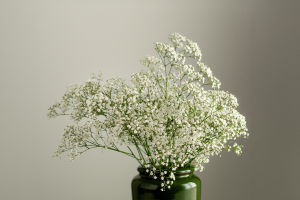
Baby’s breath is loved for its delicate clusters of tiny flowers and airy appearance. Whether growing in a garden bed or a container, this flowering plant can benefit from occasional trimming to maintain its shape and encourage continued blooming.
Knowing when and how to prune it helps keep the plant tidy while supporting healthy growth. With a few simple techniques, gardeners can care for baby’s breath without removing more stems than necessary.
Why Should Baby’s Breath Be Trimmed?
Pruning helps baby’s breath maintain a neat appearance and prevents its stems from becoming excessively tangled or untidy. Removing faded flowers also improves the plant’s overall appearance and may encourage additional blooms in varieties that can flower again during the same growing season.
Trimming can also help remove damaged or unhealthy stems, allowing the plant to direct its resources toward healthy growth. However, excessive cutting is not beneficial. Baby’s breath generally develops best when pruning is limited to what the plant actually needs.
The appropriate approach depends on the variety. Annual types complete their life cycle within one growing season, while perennial varieties can return year after year under suitable growing conditions.
When Is the Best Time to Prune?
The ideal time to trim baby’s breath depends on the reason for pruning. During the flowering season, faded blooms can be removed whenever they begin to lose their appeal. This keeps the plant looking fresh and prevents unnecessary seed formation when collecting seeds is not a priority.
Light trimming can also be carried out when stems become damaged or begin to grow out of shape. Use clean, sharp pruning shears to make neat cuts without crushing the stems. For perennial baby’s breath, more substantial cleanup is generally appropriate after flowering has finished. The exact timing depends on the variety and local climate. Avoid cutting back healthy growth unnecessarily, especially when the plant is still actively developing.
How to Trim Baby’s Breath Correctly
A few careful steps can make pruning easier and reduce the risk of damaging the plant.
1. Inspect the plant. Look for faded flower clusters, broken stems, and sections that appear unhealthy. Identify which parts need attention before making any cuts.
2. Prepare clean tools. Use sharp pruning shears for precise cuts. Clean tools help reduce the risk of transferring plant diseases between garden plants.
3. Remove faded blooms. Cut off spent flower clusters just above a healthy leaf or suitable branching point. Avoid cutting deeply into healthy stems unless the plant requires more substantial shaping.
4. Trim damaged stems. Remove broken or unhealthy sections by cutting back to healthy growth. Make clean cuts rather than tearing or crushing the stems.
5. Check the plant’s shape. Step back and assess the overall appearance. Remove only the remaining stems that interfere with its natural form.
Common Pruning Mistakes to Avoid
One common mistake is removing too much growth at once. Heavy pruning can leave the plant looking sparse and may interfere with its natural development. A gradual approach is usually better when only light shaping is needed. Another mistake is using blunt or dirty tools. Rough cuts can damage stems, while unclean equipment may spread disease.
Gardeners should also avoid trimming solely for appearance when the plant is still flowering beautifully. Leaving healthy blooms in place allows the display to continue and gives pollinators access to available flowers. Finally, do not assume every variety requires identical care. Annual and perennial baby’s breath can differ in their growth patterns, so pruning should reflect the type being grown.
What to Do After Pruning
Once trimming is complete, check the soil and the plant’s general condition. Baby’s breath usually performs well in a sunny location with good drainage. Water according to the soil’s needs rather than following a rigid schedule, as overly wet soil can harm the roots.
Continue monitoring the plant for damaged stems and faded flowers during the growing season. Regular, light maintenance is often enough to preserve its appearance without putting unnecessary stress on the plant.
Trimming baby’s breath is a straightforward gardening task when performed at the right time and with a light touch. By using clean tools, avoiding excessive cuts, and adjusting care to the variety, gardeners can maintain healthy plants while enjoying the delicate flowers that make baby’s breath such a popular garden choice.