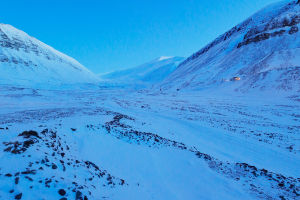
Outdoor photography turns everyday surroundings into captivating images through careful observation and creative composition.
From mountain landscapes and lakes to flowers, architecture, and quiet streets, every setting offers opportunities to capture distinctive details. A smartphone or basic camera is enough to begin developing your skills.
The key is to explore different perspectives rather than photographing every subject from the same position. Adjusting your camera height, changing your viewpoint, and understanding natural light can transform an ordinary scene into a compelling image.
Explore Different Camera Angles
The position of your camera influences how a subject appears and how it relates to its surroundings. Moving around before taking a picture helps you find the most effective viewpoint.
Eye-Level Angles
Photographing at the subject's height creates a natural perspective that works well for portraits, animals, flowers, and architectural details. This approach presents the subject in a familiar way and establishes a direct visual connection.
Low Angles
Positioning your camera closer to the ground makes nearby objects appear more prominent. This technique works particularly well for flowers, grasses, and landscape foregrounds. It can also emphasize the height of trees and mountains when the scenery extends into the distance.
High Angles
Photographing from above reveals patterns, shapes, and spatial relationships. Try this perspective when capturing winding pathways, garden layouts, shoreline patterns, or interesting arrangements of objects.
Side and Diagonal Angles
Moving to the side reveals details that a front-facing view might not show. Photographing pathways, bridges, fences, or rows of trees diagonally introduces direction and guides the viewer's eye through the frame.
Make Natural Light Work for You
Natural light influences the color, texture, and atmosphere of an outdoor photograph. Understanding its direction and intensity helps you choose an effective time and position for your shot.
Early morning and late afternoon often provide warm, softer light that complements landscapes and outdoor portraits. The lower position of the sun can create long shadows that emphasize the texture of rocks, leaves, and buildings.
Cloudy conditions produce diffused light, making them suitable for flowers, plants, and portraits. During bright midday hours, open shade can provide more even illumination. You can also adjust your position or exposure settings to retain detail in brightly lit areas.
Backlighting creates a luminous effect around flower petals and leaves. Side lighting emphasizes surface details, while front lighting illuminates the subject more evenly. Choose the direction that best complements the scene.
Create Depth Through Composition
A strong composition helps viewers understand the scale and arrangement of a scene. Including a foreground, middle ground, and background creates a sense of distance.
When photographing a mountain lake, for example, place a rock or cluster of flowers near the camera, position the water in the middle, and let the mountains form the distant background. These layers give the photograph a more immersive quality.
Leading lines offer another effective technique. Roads, streams, fences, and pathways can direct attention toward a focal point and create a natural visual flow.
The rule of thirds can help establish balance. Imagine dividing the frame into nine equal sections using two horizontal and two vertical lines. Positioning important elements along these lines or near their intersections often produces an appealing composition.
These principles are flexible. Centering a building, reflection, or symmetrical feature can be equally effective when the subject benefits from a balanced arrangement.
Adapt Your Approach to Each Subject
Landscapes and Mountains
Use a wide viewpoint to communicate the scale of the scenery. Include a nearby feature, such as a rock or tree, to establish distance. Balance the sky and foreground according to which contains the most interesting details.
Flowers and Plants
Photograph flowers at their own height to reveal their shapes and delicate details. Choose a simple background that allows the main subject to stand out, and focus carefully on the feature you want to emphasize.
Beaches and Lakes
Position your camera near the shoreline to capture reflections, ripples, and patterns in the sand. A higher viewpoint can reveal the coastline's shape, while a low angle brings attention to the water's surface.
Buildings and Streets
Photograph from a corner or along the side of a building to emphasize perspective. Repeating windows and geometric patterns can create striking compositions. Keep the camera level when you want vertical edges to remain straight.
Trees and Forests
Look upward to frame branches against the sky, or photograph along a pathway to convey distance. Side lighting can reveal the texture of tree trunks and the patterns of leaves. Select a clear focal point to give the image visual direction.
Achieve Sharp Focus and Balanced Framing
A carefully composed image benefits from accurate focus and deliberate framing. Before taking a photograph, check that the main subject is clear and that the surrounding elements support the composition.
On a smartphone, tap the subject on the screen to set focus and adjust exposure when the feature is available. With a dedicated camera, select an autofocus mode suited to the subject's movement. Keep the camera steady and choose an appropriate shutter speed when photographing moving subjects.
Check the edges of the frame before taking the picture. Repositioning the camera slightly can improve the arrangement of objects and create a cleaner image.
For landscapes, keep the horizon level unless a deliberate tilt serves a creative purpose. Give the sky more space when clouds or colors are the main attraction, or emphasize the foreground when its textures and patterns contribute more to the scene.
Protect your equipment from moisture and dust. Review your photographs during the session to assess composition, focus, and exposure. When available, the camera's histogram provides additional information about how light and dark tones are distributed.
Improve Through Practical Exercises
Choose a nearby park, garden, waterfront, or street and select one subject. Photograph it from several positions, changing one variable at a time, such as camera height, distance, or lighting direction.
Compare the results to identify which choices produce the strongest composition and clearest subject. This exercise helps you understand how small adjustments influence the final image.
Repeat the process with different subjects and at different times of day. Revisiting the same location allows you to observe how changing sunlight affects colors, shadows, and atmosphere.
Regular practice develops your ability to recognize promising compositions and make creative decisions with greater confidence.
Bring Your Outdoor Photography to Life
Beautiful outdoor photography comes from combining observation with deliberate creative choices. By exploring different angles, understanding natural light, and arranging elements thoughtfully, you can capture images that communicate the character of a landscape or the delicate details of an everyday scene.
Before pressing the shutter, take a moment to consider your viewpoint, lighting, and composition. A small adjustment can reveal an entirely different perspective. With consistent practice, you can develop your own photographic style and capture the outdoors with greater skill and creativity.